In This Issue:
-
Why Schools And Amenities Matter Even If You Don’t Have Kids — How school quality and local amenities impact property value, buyer demand, and long-term resale potential for everyone.
Read More » -
How To Buy Your Dream Home Without Overpaying — Learn smart pricing research, strategic bidding, and how to win without blowing your budget.
Read More » -
Multiple Offers: How To Pick The Right One Not Just The Highest — Not all offers are created equal. Compare financing, contingencies, and timelines to choose the one most likely to close smoothly.
Read More »
Why Schools And Amenities Matter Even If You Don’t Have Kids
Summary
School quality and local amenities don’t just benefit families, they impact property value, buyer demand, and long-term resale potential for everyone. This report explains why these factors matter even if you don’t have kids, and how they shape both your lifestyle and investment. Whether you’re buying or selling, location decisions matter more than you think.
It’s common to assume that school districts and neighborhood amenities only matter to families with children. But in reality, these features affect every buyer and seller, because they influence demand, quality of life, and ultimately, property value.
Here’s how (and why) schools and amenities shape smart real estate decisions:
 1. Schools Influence Property Value
Homes in strong school zones tend to:
- Sell faster
- Retain value better during downturns
- Attract more offers
Even if you don’t plan to use the local school, buyers with children likely will and that demand drives price and competition.
2. Great Amenities Build DesirabilityProximity to walkable amenities, such as:
- Grocery stores and coffee shops
- Parks and recreational trails
- Transit stations and commuter access
- Restaurants and fitness centers
adds daily convenience and long-term appeal. The “15-minute neighborhood” concept is increasingly popular, especially with remote and hybrid workers.
3. Your Future Buyer May Care More Than You DoEven if schools or parks aren’t a priority for you today, the next person who buys your home may place them at the top of their list. Buying with resale in mind is a smart move, especially if you plan to sell in the next 5-10 years.
4. Walkability = Lifestyle + ValueBeing near amenities isn’t just about price, it’s about how you live. Shorter drives, more walkable errands, and better access to services all improve quality of life. And in many markets, walkability boosts demand and leads to higher property appreciation.
5. Better Neighborhoods Often Mean Better UpkeepAreas with strong schools and desirable amenities tend to have:
- Higher owner occupancy rates
- Better-maintained homes and landscaping
- More community involvement
These factors create a “halo effect” that benefits everyone.
6. Rentals and Investment Property ConsiderationsIf you’re buying to rent, school ratings and neighborhood features affect:
- Tenant pool
- Rentability
- Rental income stability
- Vacancy rate
Many renters will pay more to live near a good school, even if you wouldn’t.
7. How to Evaluate These Factors- School rating sites (GreatSchools, Fraser Institute, etc.)
- Municipal plans for new parks, transit, or shopping
- Drive time apps for commutes and accessibility
- Walk Score or Transit Score for lifestyle convenience
- Talk to neighbors or real estate agents for local insight
Buying in an area with weak schools or minimal infrastructure might:
- Limit your resale audience
- Cap appreciation potential
- Increase time on market when you sell
Unless you’re buying long-term or at a significant discount, these compromises could hurt your investment.
Conclusion:
Schools and amenities aren’t just nice-to-haves, they’re silent influencers of property value, buyer demand, and livability. Even if they don’t affect your lifestyle directly, they affect your real estate bottom line. Always consider what future buyers will value and position yourself for the best return.
How To Buy Your Dream Home Without Overpaying
Summary
In competitive markets, buyers often feel pressured to bid high, but that can lead to overpayment and financial stress. This guide walks you through smart pricing research, strategic bidding, and how to recognize when it’s time to walk away. With tips from real estate pros and negotiation experts, you’ll learn to win without blowing your budget. Perfect for buyers who want to be aggressive but still sensible.
Buying your dream home is one of life’s most rewarding experiences, but it can quickly turn sour if you overpay. In a competitive market, bidding wars and emotional attachment can cause buyers to stretch their budget too far. However, with careful planning and smart strategy, you can land the home you want, without spending more than you should. This guide outlines everything you need to know to buy wisely, avoid common pricing pitfalls, and keep your finances intact.
 Understand the Market First
The foundation of a smart home purchase is understanding your market. Is it a buyer’s or seller’s market? What’s the average price per square foot in your area? Are homes typically selling above or below the asking price? Research recent comparable sales and days on market. Partner with an experienced agent who understands local trends and can help you interpret data. Going in blind is a recipe for emotional overbidding.
Get Pre-Approved, Not Just Pre-QualifiedPre-qualification gives you an estimate, but pre-approval shows sellers you’re serious and ready. A pre-approval letter also gives you a firm upper limit on your budget and helps prevent you from accidentally offering too much. Lenders will assess your credit, debt-to-income ratio, and employment status to determine what you can realistically afford. Use this number as your ceiling, not your target.
Know What the Home Is Really WorthJust because a home is listed at a certain price doesn’t mean it’s worth that amount. Look at comparable properties in the neighborhood. What did similar homes sell for recently? Are there any upgrades or features that justify a premium, or signs the home is overpriced? Pay attention to days on market and price reductions. If a house has been sitting for weeks in a hot market, the asking price may be too high.
Set a Firm Budget (and Stick to It)Before you make any offers, define your absolute maximum and decide under what conditions you’d walk away. Be disciplined, especially in emotionally charged multiple-offer situations. Include room in your budget for closing costs, immediate repairs, and post-move expenses like furniture or landscaping. Your dream home isn’t a dream if it puts you under financial strain.
Make a Smart Offer — Not Just the Highest OneYou can strengthen your offer in ways that don’t involve raising the price. A large earnest deposit, flexible closing date, and limited contingencies can all appeal to sellers. Work with your agent to craft a strong offer that balances competitiveness with financial protection. Sometimes a well-written offer with fewer conditions can beat a higher bid filled with contingencies.
Don’t Skip the Appraisal and InspectionAn appraisal ensures the home is worth what you’re paying. If it comes in low, you can renegotiate, or walk away. A thorough inspection reveals any structural or mechanical issues that could cost you later. Even in hot markets, waiving these protections is risky. If you must waive them to compete, consider doing an informational inspection post-closing or negotiating a shorter inspection window instead.
Control Your Emotions During NegotiationFalling in love with a home can cloud your judgment. Sellers (and even agents) can sense desperation and use it to their advantage. Remind yourself that there will always be another property and that buying the right home at the right price is better than rushing into one you can’t afford. Stay calm, deliberate, and data-driven.
Watch Out for Hidden CostsOverpaying isn’t just about the listing price. Property taxes, HOA fees, utility costs, insurance premiums, and maintenance add up. Research these numbers in advance. A home with a low sale price but high upkeep may ultimately cost more than a slightly more expensive one that’s efficient and low-maintenance.
Don’t Over-Renovate to CompensateIt’s tempting to overpay for a home that “needs work” with the plan to renovate. But major upgrades rarely return 100% of their cost. Make sure you’re not overestimating your ability or budget to transform a home. And don’t justify overpaying by thinking you’ll add value later. In most cases, you’ll only recoup a portion of what you invest.
Have an Exit StrategyBefore you buy, think about resale. Is this home likely to hold or increase in value over time? Are there factors that might make it hard to sell later, like a busy street, poor layout, or odd zoning? If market conditions change and you need to move within a few years, can you rent it out or break even? Buying smart also means planning for the long term.
Your dream home should bring you joy, not financial stress. With discipline, research, and strategic negotiation, you can buy confidently and stay within your means. It’s possible to win in today’s market without sacrificing your financial future. Remember: the goal isn’t just to buy a home, it’s to make a smart investment in your life.
Multiple Offers: How To Pick The Right One Not Just The Highest
Summary
In a hot market, sellers often receive multiple offers. While it’s tempting to choose the highest price, not all offers are created equal. This report helps you evaluate every part of an offer, from financing strength to closing flexibility, to ensure you pick the one that’s most likely to close smoothly and leave you satisfied. Learn how to compare, negotiate, and choose wisely.
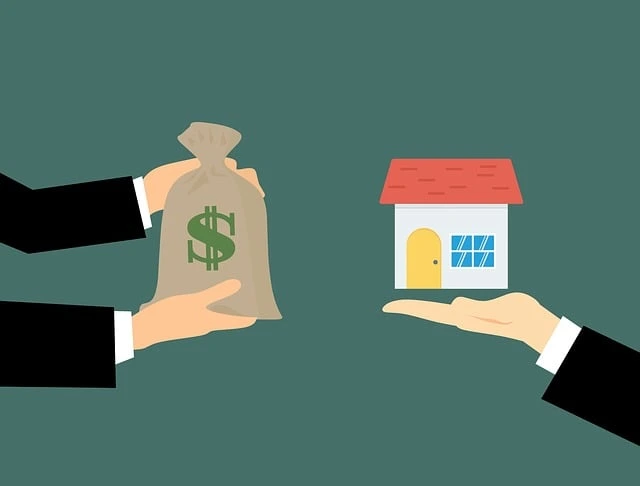
Receiving multiple offers can feel like a dream come true, but it can also be overwhelming. Choosing the highest offer might seem obvious, but the smartest sellers look beyond price to evaluate the full picture. A slightly lower offer with better terms can sometimes be the safer, more profitable path. Here’s how to compare and choose offers with confidence.
- Look at Financing Type
- Cash Offers: These typically close faster and have fewer risks (no appraisal or loan approval delays).
- Conventional Loans: Strong, especially with large down payments.
- FHA/VA Loans: May require more stringent appraisals or repairs.
Ask to see a pre-approval letter or proof of funds to confirm the buyer’s financial strength.
- Review the Contingencies
Contingencies give buyers legal outs, but too many create uncertainty for you. Common contingencies include:- Financing: Standard, but risky if the buyer is only marginally qualified.
- Appraisal: May trigger price negotiations if the home appraises low.
- Inspection: Allows buyers to back out or request repairs.
- Home sale: Risky, ties your sale to another closing.
Fewer contingencies equals a stronger, cleaner offer.
- Consider the Closing Timeline
A quick close may be ideal if you’re ready to move. A longer close might be better if you need time to find your next home. Flexibility matters—offers that match your preferred timeline are often more attractive.
- Compare Earnest Money Deposits
Earnest money shows the buyer’s seriousness. Larger deposits reduce your risk. Typical ranges are 1–3% of the offer price.
- Understand Buyer Motivation
Buyers relocating, with deadlines or emotional attachment, may be more committed. Others just “testing the market” may be more likely to walk away.
- Beware of Escalation Clauses
Some buyers include clauses that automatically increase their offer above the highest bid. These can be tricky to navigate. Always confirm the buyer’s price ceiling and review how the clause is structured.
- Check Offer Expiration Dates
Some offers are only good for 24–48 hours. Don’t let a deadline force a rushed decision, but be mindful that delays could cause a buyer to walk away.
- Don't Forget About Personal Letters
While not always effective or appropriate, some buyers submit “love letters” with their offers. These can help humanize a buyer and provide insight into their motivation, though fair housing laws limit what can be considered.
- Ask Your Agent for a Net Sheet
Your agent can provide a side-by-side breakdown showing what you’ll actually walk away with from each offer. This includes price, concessions, and estimated costs. -
Don’t Be Afraid to Counter or Ask Questions
If you like parts of multiple offers, your agent can help you counter or ask for clarifications. You’re not locked in until you sign.
Conclusion:
Getting multiple offers is a good problem, but it’s still a problem to solve. Look beyond just price and evaluate the full offer package: financing, contingencies, flexibility, and likelihood of closing. The best offer is the one that gets you to the finish line with the fewest headaches and the most money in your pocket.
Santa Clara County Real Estate Market Update – Month Ending January 2026 - by Charm Hartland, Realtor
|

Smart Home Improvements: What Adds Value and What Doesn’t When You Sell, by Charm Hartland, RealtorBy Charm Hartland When homeowners start thinking about selling, one of the first questions they ask is: “What should I fix or upgrade before I put my home on the market?” It’s a great question, because the right improvements can positively impact your sale price and marketability, while the wrong ones can cost a lot and deliver little return. Let’s start with an important truth: Home improvements are first for your enjoyment while living in the home. As a Realtor in Santa Clara County, I regularly guide sellers through this decision process. Not every upgrade is worth the investment, and some can actually reduce buyer appeal. Here’s how to think about it. The best return on investment comes from improvements that: Appeal to the widest number of buyers Make a home feel clean and move in ready Modernize without over personalizing Fit neighborhood expectations ROI is about buyer perception, not just dollars spent. One of the highest impact, lowest cost improvements. Stick with: Warm whites Light neutrals Soft, natural tones These make spaces feel bigger, brighter, and more inviting. First impressions matter. Strong ROI updates include: Fresh mulch and tidy landscaping Trimmed trees and shrubs A clean entryway A freshly painted or updated front door Buyers often form opinions before they even walk inside. You don’t always need a full renovation. High ROI updates: Painted or refaced cabinets New hardware Updated lighting Modern faucet Fresh countertops if dated A bright, functional kitchen sells homes. Bathrooms influence buyer decisions more than many realize. Smart updates: New vanity, mirror, and lighting together Updated fixtures Fresh grout and caulking Neutral, spa like colors A cohesive update feels like a true upgrade. Worn floors signal deferred maintenance. Great investments: Refinishing hardwood floors Replacing heavily worn carpet Consistent flooring in main living areas Clean, cohesive flooring elevates the entire home. Often the biggest ROI of all: Professional cleaning Decluttering Light staging Presentation matters more than perfection. A full kitchen or bathroom gut remodel right before listing often disappoints. Why? You pay retail for the work Buyers may not share your taste You rarely recover full cost A refresh usually beats a renovation. Examples: Bold paint colors Statement wallpaper Trendy tile patterns Ultra modern finishes in traditional neighborhoods The more specific your taste, the smaller your buyer pool. Pools are lifestyle upgrades, not financial ones. They can: Limit buyer interest Add maintenance concerns Increase insurance costs In some luxury segments they help, but they rarely return dollar for dollar value. Turning garages into living space often hurts value. Buyers want: Parking Storage EV charging space Losing a garage can be a deal breaker. Beautiful landscaping is great, but: Elaborate gardens Specialty plants Expensive hardscaping These rarely return their cost. Clean and tidy wins. Luxury appliances are nice but: Buyers expect them only in certain price points Mid range often feels just as appealing Technology becomes outdated quickly You usually won’t recoup the premium. Before investing in upgrades, it’s best to get local, market specific advice. Every neighborhood is different. The smartest sellers improve strategically rather than emotionally. In Santa Clara County, buyers often prioritize: Location Floor plan Natural light Overall condition School districts A well prepared home in a great location can outperform a heavily remodeled home in a weaker location. If you’re thinking about selling and want guidance on where to invest and where not to, I’m happy to help you create a plan that protects your equity and positions your home for success. A short consultation can save thousands in unnecessary upgrades. Reach out to me today and we can get started.
|
Having “The Talk” With Aging Parents: Why a Senior Real Estate Specialist Matters, by Charm Hartland, RealtorFew conversations in life are as emotional as talking with aging parents about a potential move to assisted living. For many families, this discussion comes after months—or even years—of quiet concern. Maybe you’ve noticed deferred home maintenance, unopened mail, missed medications, or the simple reality that daily living alone has become harder. For your parents, their home often represents far more than a place to live. It holds decades of memories, milestones, and family history. In some cases, generations have passed through the same home. Letting go can feel overwhelming and sometimes frightening. This is where a Senior Real Estate Specialist (SRES) like myself can make a meaningful difference. Moving to assisted living is not just a housing change. It’s a major life transition involving: · Emotional readiness · Financial considerations · Health and safety needs · Family dynamics · Estate or trust planning · Sorting through a lifetime of belongings A traditional real estate approach often focuses only on the sale. A Senior Real Estate Specialist understands the bigger picture. An SRES is trained to guide families through senior transitions with patience and sensitivity. This includes: Seniors may feel loss of independence, fear of change, or grief about leaving their home. A specialist knows how to communicate respectfully and move at a comfortable pace. Many older adults have deferred maintenance or repairs they can no longer manage. An SRES helps families decide what is truly worth fixing and what can be sold as-is, preventing unnecessary expense and stress. Senior moves often require more than a moving truck. Families may need: · Downsizing help · Estate sale coordination · Packing and sorting assistance · Clean-out services · Connections to senior living advisers who know the communities available A strong SRES has a network of trusted professionals to support each step. A home is often a senior’s largest asset. A specialist can help families explore how home equity may help fund assisted living, care, or future needs—while working alongside financial advisors or fiduciaries when appropriate. One of the greatest benefits of involving a Senior Real Estate Specialist early is preserving your parents’ sense of control. When seniors feel included in decisions, the transition is often smoother and less traumatic. The goal is not to “move them out.” Families often feel they must figure everything out themselves. In reality, this transition is easier—and kinder—when guided by someone experienced in senior moves. A Senior Real Estate Specialist serves as a calm, knowledgeable partner who understands both the emotional and practical sides of the journey. Having the talk is hard. If your family is starting to think about senior living options, you don’t have to navigate this alone. The earlier you have the right guidance, the more choices and peace of mind you’ll have. I specialize in helping seniors and their families through thoughtful, well-planned transitions. From coordinating downsizing and preparing a home for sale to connecting you with trusted senior living resources, my goal is to make this process as smooth and respectful as possible for everyone involved. Every family’s situation is unique, and I’m here to listen first, then help you build a plan that supports your parents’ safety, comfort, and dignity. Let’s have a confidential, no-pressure conversation about your options. Charm Hartland Helping Silicon Valley families navigate senior transitions with care, clarity, and compassion. Reach out when you’re ready. Even a simple conversation can bring clarity and relief.
|